

TL;DR
- Outsourcing adds capacity for recruitment inquiries, preliminary screening, and appointment scheduling.
- Dedicated follow-up provides prospective participants a clearer path from initial interest to site assessment.
- Research teams retain responsibility for clinical eligibility decisions and informed consent.
- Healthcare organizations should evaluate privacy safeguards and recruitment performance before expanding support.
- Select VoiceCom offers recruitment support and operational expertise to assist with your research processes.
An inquiry does not become an enrolled participant automatically. Someone must respond, explain the next step, and coordinate an assessment with the research site. Delays can leave interested patients waiting or force staff to repeat work.
Clinical trial recruitment outsourcing adds capacity to manage these interactions. External teams handle agreed contact tasks and organize referrals for clinical review. Clear responsibilities allow organizations to expand administrative support under research team oversight.
What Is Clinical Trial Recruitment Outsourcing?
Clinical trial recruitment outsourcing involves assigning recruitment activities to an external provider. The scope can include patient outreach, inquiry handling, and preliminary screening.
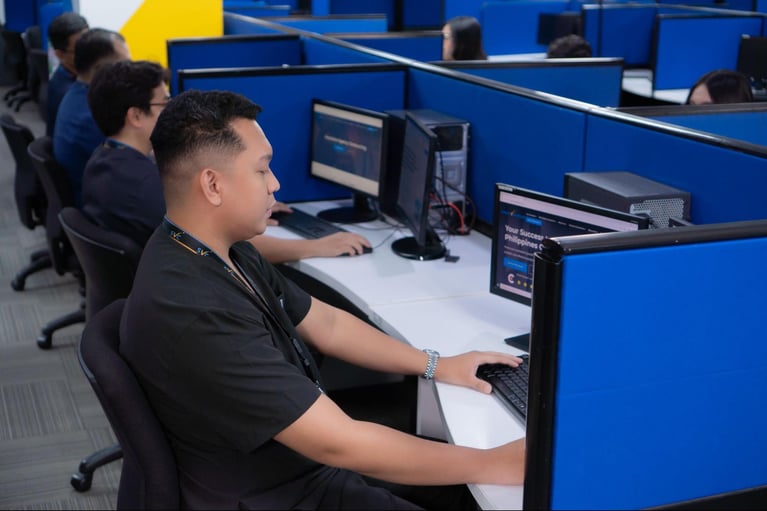
A clinical trial call center supports communication with prospective participants. Agents answer administrative questions, collect permitted information, and arrange contact with the research site. They escalate questions outside their role.
Services vary across clinical research outsourcing companies. Some manage recruitment campaigns; others provide broader research services. Clarify whether the provider's role starts with outreach or begins after an inquiry arrives. This distinction establishes accountability and supports accurate cost comparisons.
How Outsourcing Supports Clinical Trial Recruitment
Recruitment can stall between an inquiry and site assessment. Outsourcing can address these gaps in the following ways:
Respond to Patient Inquiries Consistently
Dedicated agents answer calls during agreed hours and follow up on missed inquiries. They document outcomes and flag pending responses.
Coverage should reflect patient availability. Evening hours could accommodate people who cannot answer during work. Establish follow-up frequency and honor requests to stop contact. Shared records reduce duplicate outreach.
Conduct Preliminary Screening
Agents follow study-specific questionnaires and record responses for site review. Questions can identify clear mismatches, such as someone falling outside the study's age range.
Research staff determine final clinical eligibility. Agents escalate uncertain responses rather than interpret medical information. When screening criteria change, the provider should replace outdated questionnaires and brief agents before continuing recruitment.
Coordinate Appointments and Follow-Up
A clinical research call center explains appointment logistics and confirms attendance. Agents document scheduling barriers so site staff can address them.
Referral notes identify the next action and its owner. For example, the contact team submits a questionnaire, and the site reviews it before scheduling an assessment. Follow-up should reflect each person's current status.
Adjust Recruitment Support Capacity
Organizations can expand outsourced coverage during active recruitment periods and adjust staffing when activity declines.
Plan changes around inquiry volumes and site availability. Additional contact capacity offers limited value if sites cannot assess incoming referrals. Review outstanding referrals to locate delays before increasing recruitment activity.
Track whether preliminary matches reach site review. Examine stalled referrals to identify contact gaps and outstanding site actions.
Maintain Accurate Clinical Trial Recruitment Records
External teams document contact outcomes and flag missing information before transferring referrals. Each record should identify the person's status and next action.
Track progress from inquiry to assessment, and report enrollment separately from initial interest. Agree on consistent status labels across the provider and site. Assign responsibility for correcting incomplete records.
Clinical data management outsourcing covers broader activities, including study datasets and data queries. Recruitment support does not automatically include these services. Specify data responsibilities within your clinical outsourcing agreement.
Manage Compliance and Privacy and Outsourced Clinical Trial Recruitment
Submit direct recruitment advertising for institutional review board (IRB) review and approval. Materials must accurately describe the study and avoid coercion or unsupported promises of benefit. FDA guidance treats direct recruitment advertising as part of the informed consent and participant selection process.
Apply the appropriate review process to outreach materials and screening scripts. Agents should refer questions about treatment risks or potential benefits to research staff.
Establish the appropriate legal basis before sharing patient information. HHS states that HIPAA's preparatory-to-research provision does not permit researchers to remove protected health information from the covered entity's site. Assess the proposed data flow before granting provider access.
Review access controls, record storage, and incident reporting. Confirm how the provider restricts access and removes it when assignments end.
Research staff must obtain informed consent before clinical procedures performed solely to determine study eligibility. Preliminary phone screening does not replace that process.
How to Evaluate a Potential Clinical Trial Recruitment Partner
Request evidence relevant to your patient population and recruitment scope. Examine how the provider trains agents and coordinates referrals.
Before launch, agree on:
- Study-specific training and escalation procedures
- Referral ownership and site response times
- Privacy safeguards and quality reviews
- Reporting linked to enrollment outcomes
Review sample reports and discuss incomplete referrals. A limited rollout can test the workflow before expanding coverage.
Track response time, screening completion, appointment attendance, and cost per enrolled participant. Define each metric consistently. Assess referral progress alongside enrollment results, recognizing that study criteria and site capacity also influence outcomes.
 FAQs: Clinical Trial Recruitment Outsourcing
1. What recruitment tasks can healthcare organizations outsource?
Organizations can outsource patient inquiries, preliminary screening, and appointment coordination. Research teams retain responsibility for clinical eligibility decisions and informed consent.
2. How does a clinical trial call center support recruitment?
Agents respond to prospective participants and follow up on pending inquiries. They document interactions and coordinate referrals with research sites.
3. Can outsourced agents determine final patient eligibility?
Agents conduct preliminary screening through study-specific questionnaires. Research staff determine final eligibility through clinical review and the necessary assessments.
4. What should organizations assess when choosing a partner?
Evaluate study-specific training, privacy safeguards, and referral procedures. Request relevant performance evidence and review recruitment reporting.
5. How can organizations measure recruitment performance?
Track screening completion, appointment attendance, and cost per enrolled participant. Review stalled referrals to identify delays that require action.
Discuss Recruitment Support with Select VoiceCom
Missed inquiries or delayed follow-up may disrupt the assessment process. Reviewing these areas helps identify contact tasks we can support more effectively.
Select VoiceCom provides staffing solutions for patient inquiries and administrative follow-up, with options for coverage hours and coordination with research teams.
Contact us to discuss your recruitment support requirements or to request a quote.
MORE ARTICLES LIKE THIS

Why Healthcare Organizations Use Back Office Support to Improve Efficiency
Healthcare organizations are rethinking non-clinical staffing as workloads increase. Outsourcing back-office support helps manage these demands without growing internal teams. This article outlines how outsourcing works and why providers leverage it to improve efficiency.

Streamlining Healthcare Operations at a Lower Cost: A Guide to Healthcare BPO Services
Administrative costs account for more than 40% of the expenses hospitals incur in delivering patient care, according to the American Hospital Association. Combined with rising labor costs and increasingly complex administrative requirements, these expenses continue to place pressure on hospital budgets and staff.

How Healthcare Organizations Improve Operational Efficiency Through Back Office Outsourcing
Many providers address this challenge through back office outsourcing. By delegating back office functions to specialized teams, healthcare providers streamline operations and improve the quality of patient care.